Red Dirt Oklahoma Gardening’s Application Rates for Bulk and Bagged Materials
I have found these application rates quite helpful in the past when ordering bulk materials like top soil or compost as well as bagged amendments. If you will look closely when you purchase bags of cotton bur compost, humate, composted manures, or organic fertilizers like Sustane you will find printed on the bag how many cubic feet or yards the entire bag will cover.
Red Dirt Gardening Application rates:
1 cubic yard
Covers 1296 square feet 1/4 ” deep
Covers 648 square feet 1/2 ” deep
Covers 324 square feet 1″ deep
Covers 162 square feet 2″ deep
Covers 108 square feet 3″ deep
3 cubic foot bag
Covers 72 square feet 1/2 “deep
Covers 36 square feet 1″ deep
Covers 18 square feet 2″ deep
Covers 12 square feet 3” deep
2 cubic foot bag
Covers 48 square feet 1/2 ” deep
Covers 24 square feet 1″ deep
Covers 12 square feet 2″ deep
Covers 8 square feet 3″ deep
1 cubic foot bag
Covers 24 square feet 1/2 ” deep
Covers 12 square feet 1″ deep
Covers 6 square feet 2″ deep
Covers 4 square feet 3″ deep
1 pint = 2 cups = 16 ounces
Garrett Juice (ready to spray) The BEST basic organic foliar spray you will ever use! Here’s the recipe:
1 cup manure-based compost tea
1 ounce molasses
1 ounce natural apple cider vinegar
1 ounce liquid seaweed
¼ cup garlic tea or
¼ cup garlic/pepper tea
or 1 ounce of orange oil
For homemade fire ant killer add:
2 ounces of citrus oil per gallon of Garrett Juice (do not have more than 2 ounces of orange oil per gallon)
Garrett Juice Concentrate
1 gallon Compost Tea
1 pint Cider Vinegar
1 pint Liquefied Seaweed
1 pint Blackstrap Molasses
Mix all ingredients together. For spraying: use 1 ½ cups of concentrate per 1 gallon of water.
*1 pint = 2 cups = 16 ounces
Potassium bicarbonate Fungicide
Mix 4 teaspoons (about 1 rounded tablespoon) of potassium bicarbonate into one gallon of water. Spray lightly on foliage of plants afflicted with black spot, powdery mildew, brown patch and other fungal diseases. Potassium bicarbonate is a good substitute for baking soda. There are commercial EPA registered as well as generic products available.
Baking Soda Fungicide
Mix 4 teaspoons (about 1 rounded tablespoon) of baking soda and 1 tablespoon of horticultural oil into one gallon of water. Spray lightly on foliage of plants afflicted with black spot, powdery mildew, brown patch and other fungal diseases. Avoid over-using or pouring on the soil. Potassium bicarbonate is a good substitute for baking soda. Citrus oil and molasses can be used instead of horticultural oil.
Vinegar Fungicide
Mix 3 tablespoons of natural apple cider vinegar in one gallon of water. Spray during the cool part of the day for black spot on roses and other fungal diseases. Adding molasses at 1 tablespoon per gallon will again help.
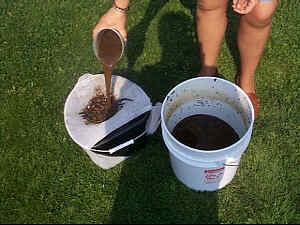
Compost Tea
Compost tea, which is teaming with micro organisms, can be used effectively for a variety of reasons in the Oklahoma garden. It can be used as a foliar spray or applied directly to the soil. By adding additional ingredients to the mixture compost tea can be effective on a number of garden pests.
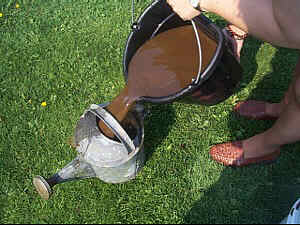
I apply my compost teas in 2 different ways. If I plan on using it as a drench I will pour it into my larger can sprinkler and if I plan to foliar spray I will put into my sprayer. So many plants including fruit trees, perennials, annuals, vegetables and roses, will benefit from the compost tea. Spray your plants that are regularly attacked by insects or fungal problem like black spot on roses and early blight on tomatoes. You may want to add two tablespoons of molasses to each gallon for more power. Add citrus oil for even greater pest killing power.
Cornmeal Juice
Cornmeal Juice is a natural fungal control for use in any kind of sprayer. Make by soaking horticultural cornmeal in water at one cup per gallon of water. Put the cornmeal a nylon stocking bag to hold in the larger particles. The milky juice of the cornmeal will permeate the water and this mix should be sprayed without further diluting. Cornmeal Juice can be mixed with compost tea, Garrett Juice or any other natural foliar feeding spray.
To make garlic pepper tea simply liquefy 2 bulbs of garlic and 2 hot peppers in a blender that has been filled 1/2 – 2/3s full of water. Strain the solids and add enough water to the garlic/pepper juice to make 1 gallon of concentrate. Use 1/4 cup of concentrate per gallon of spray. To make garlic tea, simply omit the pepper and add another bulb of garlic. Add two tablespoons of blackstrap molasses for more control.
Red Dirt Gardening Gold, COMPOST A compost pile can be started in sun or shade at any time of the year. Good ingredients include leaves, hay, grass clippings, tree trimmings, bark, sawdust, rice hulls, weeds, nut hulls and animal manure (manure from animals that eat grains and grass only. Mix the ingredients together in a container of wood, hay bales, hog wire, concrete blocks or simply pile the material on the ground. The best mixture is 75-80% vegetative matter and 20-25% animal waste, although any mix will compost. The ingredients should be a mix of coarse and fine-textured material, green materials and dry materials.
Turn the pile at least once a week. You will find however, that turning more often will speed up the composting process. Keep the pile moist, like with the amount of moisture you would find in a squeezed-out sponge, to help the living microorganisms thrive and work their magic. Compost is ready to use when the ingredients are no longer identifiable. The color will be dark brown, the texture soft and crumbly and the aroma that of a forest floor. Use compost in all bed preparation or a mulch around annuals and perennials.
Oklahoma’s “Original” Red Dirt Gardener